How to Choose the Right Technology Integrator for Your Home or Business
.png)
Technology should make your life easier—not leave you managing multiple apps, searching for the right remote, or wondering who to call when something stops working.
Whether you’re building a home, renovating an existing space, or upgrading a conference room, choosing the right technology integrator is an important decision. The equipment matters, but the company designing, installing, and supporting it can have an even greater impact on your overall experience.
A good technology integrator doesn’t simply sell products. They take the time to understand how you want your space to function, design the right system around those needs, coordinate with the other professionals involved, and remain available after installation.
So, how do you know which technology partner is right for your project?
What Does a Technology Integrator Do?
A technology integrator brings different systems together so they operate as one simple, reliable experience.
In a home, that could include lighting, motorized shades, audio, video, security, surveillance, climate control, networking, and outdoor technology. In a business, it may include conference rooms, collaboration systems, displays, audio, video conferencing, access control, surveillance, paging, and network infrastructure.
The goal is not to fill a space with more technology. It is to select, design, and coordinate the right technology so that it supports the people using the space every day.
1. Do They Begin With Your Needs or a List of Products? Your first conversation should focus on you—not brands, model numbers, or the latest features.
A qualified integrator will ask how you use the space, what currently frustrates you, who will operate the system, and what you hope to accomplish. They should also ask about your budget, timeline, priorities, and future plans.
Products should be selected only after the integrator understands the experience you are trying to create.
2. Do They Have Experience With Projects Like Yours?
Technology projects vary considerably in size and complexity. Installing a television is different from designing a whole-home system, just as equipping a small meeting room is different from upgrading an auditorium, healthcare facility, or government space.
Ask to see examples of comparable projects. Look for photographs, project descriptions, client testimonials, and explanations of how the integrator addressed specific challenges.
Experience with similar spaces helps an integrator anticipate potential issues before they become expensive changes or compromises.
3. Do They Have a Defined Design and Planning Process? Reliable technology starts with a plan.
Your integrator should be able to explain how they move from the initial conversation to system design, proposal, installation, programming, training, and long-term support. Depending on the project, this may include plans, equipment locations, wiring requirements, lighting layouts, rack elevations, shade specifications, and coordination documents.
A detailed proposal should clearly explain what is included, what is excluded, and how labor, programming, training, and support will be handled. When comparing proposals, make sure you are comparing the complete scope and expected experience—not simply the final price.
A defined process creates clearer expectations and helps ensure that important decisions are made before walls are closed and finishes are installed.
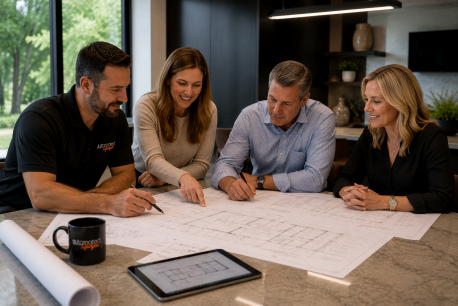
4. Will They Coordinate With the Rest of Your Project Team?
Technology affects more than the technology itself. It can influence electrical plans, cabinetry, ceiling details, window treatments, lighting fixtures, furniture placement, acoustics, and network requirements.
For residential projects, the integrator may need to collaborate with the homeowner, architect, builder, interior designer, electrician, and lighting designer. For commercial projects, coordination may also involve facilities teams, IT departments, general contractors, consultants, and organizational leadership.
The earlier that coordination begins, the easier it is to protect the design of the space and avoid last-minute changes.
5. Do They Prioritize Simplicity?
A system can have impressive capabilities and still be frustrating to use.
Ask the integrator to explain what the daily experience will be like. Will you need several remotes or apps? Can common activities be simplified? Can someone unfamiliar with the system understand how to use it?
In a home, that could mean selecting a single scene that adjusts the lights, shades, temperature, and music. In a conference room, it could mean walking in, starting a meeting, and sharing content without calling IT for help.
The best technology doesn’t constantly call attention to itself. It works naturally in the background and responds when you need it.
6. Will the Technology Complement the Design of the Space?
Technology should enhance a space without overwhelming it.
Ask how the integrator plans to address visible equipment, controls, speakers, displays, wiring, and other components. Thoughtful options may include architectural speakers, recessed shades, centralized equipment, carefully placed keypads, hidden wiring, or displays designed to complement the room.
This is especially important when working with an architect or interior designer. Technology and aesthetics should be considered together rather than treated as competing priorities.

7. Will the System Be Secure and Able to Grow With You? Technology changes, and your needs may change with it.
A homeowner may eventually add outdoor entertainment, motorized shades, additional lighting control, or a dedicated theater. A business may add employees, open another location, standardize additional meeting rooms, or adopt a different collaboration platform.
No system can remain unchanged forever, but proper infrastructure and thoughtful design can make future upgrades easier. Ask how the proposed system accounts for expansion, equipment replacement, software updates, and changing needs.
Security should also be part of the conversation. Ask how the network will be designed, how remote access will be managed, how software updates are handled, and what steps are taken to protect your system and information. For businesses, the integrator should be prepared to coordinate these decisions with your IT team.
8. What Happens After Installation?
Installation is not the end of your relationship with a technology integrator.
Ask who will train you, how service requests are handled, whether remote assistance is available, and what ongoing support options are offered. You should also understand the warranty process and what happens when equipment eventually needs to be updated or replaced.
Technology can occasionally require service because of software changes, internet interruptions, hardware issues, or normal equipment aging. What matters is knowing that you have a responsive partner who understands your system and can help when you need them.

9. Do They Provide Documentation and Training? Even a simple system should be properly documented.
Depending on the scope of the project, documentation may include equipment details, system drawings, network information, programming records, warranties, and operating instructions. This information becomes especially valuable when service, upgrades, or changes are needed later.
Training should also be tailored to the people using the system. Homeowners need to feel comfortable with everyday controls, while businesses may require training for employees, administrators, facilities teams, or IT personnel.
10. Do They Have the Right Credentials and a Strong Reputation?
Before making a decision, look beyond the proposal. Read reviews, request references, explore completed projects, and look for relevant certifications or industry recognition.
Consider how long the company has been in business and whether it has an established team capable of supporting the system after installation. Price is important, but a lower initial proposal may not include the same level of design, coordination, documentation, training, or long-term support.
Additional Considerations for Homeowners
For a residential project, your technology integrator should understand that every household is different. The system should reflect your routines, design preferences, comfort level, and plans for the home.
Consider asking:
- How will the technology blend into the interior design?
- Can everyone in the household operate it easily?
- What should be planned before construction or renovation begins?
- Which features should be installed now, and which can be added later?
- How will the system be serviced and updated over time?
Your home should not feel like a collection of gadgets. It should feel comfortable, personal, and easy to live in.

Additional Considerations for Businesses
For a commercial project, reliability and consistency are especially important. Technology must work for employees, clients, guests, and remote participants with different levels of technical experience.
Consider asking:
● Will the system work with our existing collaboration platform?
● Can employees use the room without assistance?
● How will the integrator coordinate with our IT and facilities teams?
● Can the solution be standardized across multiple rooms or locations? ● What support is available if an issue interrupts business operations? ● How will the system accommodate future growth?
The right commercial technology should improve communication and productivity—not create another obstacle for employees to manage.
Frequently Asked Questions
When should I hire a technology integrator?
Ideally, a technology integrator should be involved during the early planning or design stage of a new construction or renovation project. Early involvement allows the integrator to coordinate wiring, equipment locations, lighting, shades, cabinetry, networking, and other infrastructure before construction decisions limit the available options.
An integrator can also help with an existing space, but involving one early generally provides greater flexibility and helps prevent unnecessary changes.
What is the difference between a technology integrator and an electrician?
Electricians and technology integrators have different but complementary roles. An electrician primarily handles electrical power, wiring, fixtures, and code requirements. A technology integrator designs and coordinates low-voltage and connected systems such as networking, audio, video, lighting control, motorized shades, security, and automation.
On many projects, the two professionals work together to ensure the electrical and technology systems are properly coordinated.
Can a technology integrator upgrade an existing system?
Yes. Many existing homes and businesses can be upgraded without starting over. The integrator should first evaluate the current wiring, equipment, network, programming, and overall condition of the system.
In some cases, existing components can be reused. In others, replacing outdated equipment or infrastructure may provide a more reliable long-term solution.
Does a technology integrator provide ongoing support?
Support varies from company to company, which is why it is important to ask before selecting an integrator. Find out whether the company provides remote assistance, on-site service, preventative maintenance, software updates, equipment replacement, and ongoing support plans.
A system is a long-term investment, and the company’s ability to support it should be considered alongside the original design and installation.
Choosing a Long-Term Technology Partner
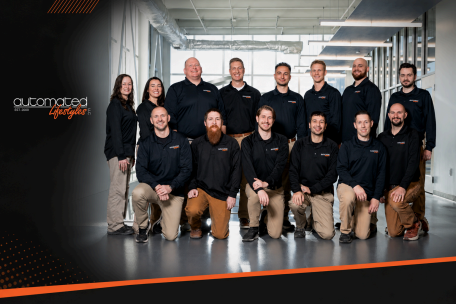
The right technology integrator will do more than provide equipment. They will help you make informed decisions, guide your project through design and installation, and support the completed system for years to come.
For more than 25 years, Automated Lifestyles has helped homeowners and businesses throughout northeast Pennsylvania and beyond create memorable experiences with technology that just works. Our team holds numerous industry and manufacturer certifications, with standout credentials and recognition including HTA Luxury Certified status, a #59 ranking on the 2026 CE Pro 100 list, and approval through Pennsylvania’s COSTARS cooperative purchasing program.
If you are planning a new home, renovation, commercial space, or technology upgrade, schedule a conversation with our team. We’ll help you understand your options and determine the right next step for your project.
%20Medium.avif)