Why Smart Home and Commercial Technology Needs to Be Planned First — Not Last
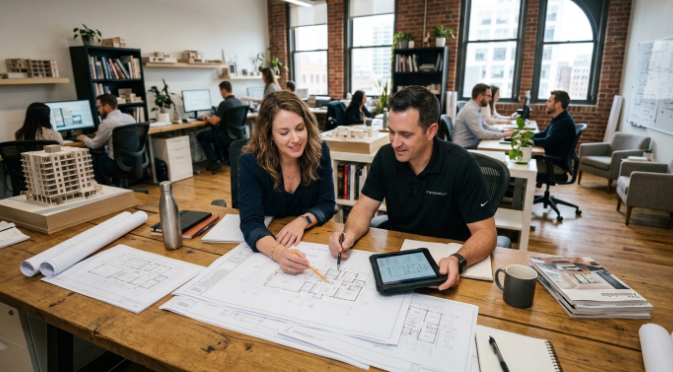
Why Smart Home and Commercial Technology Needs to Be Planned First — Not Last
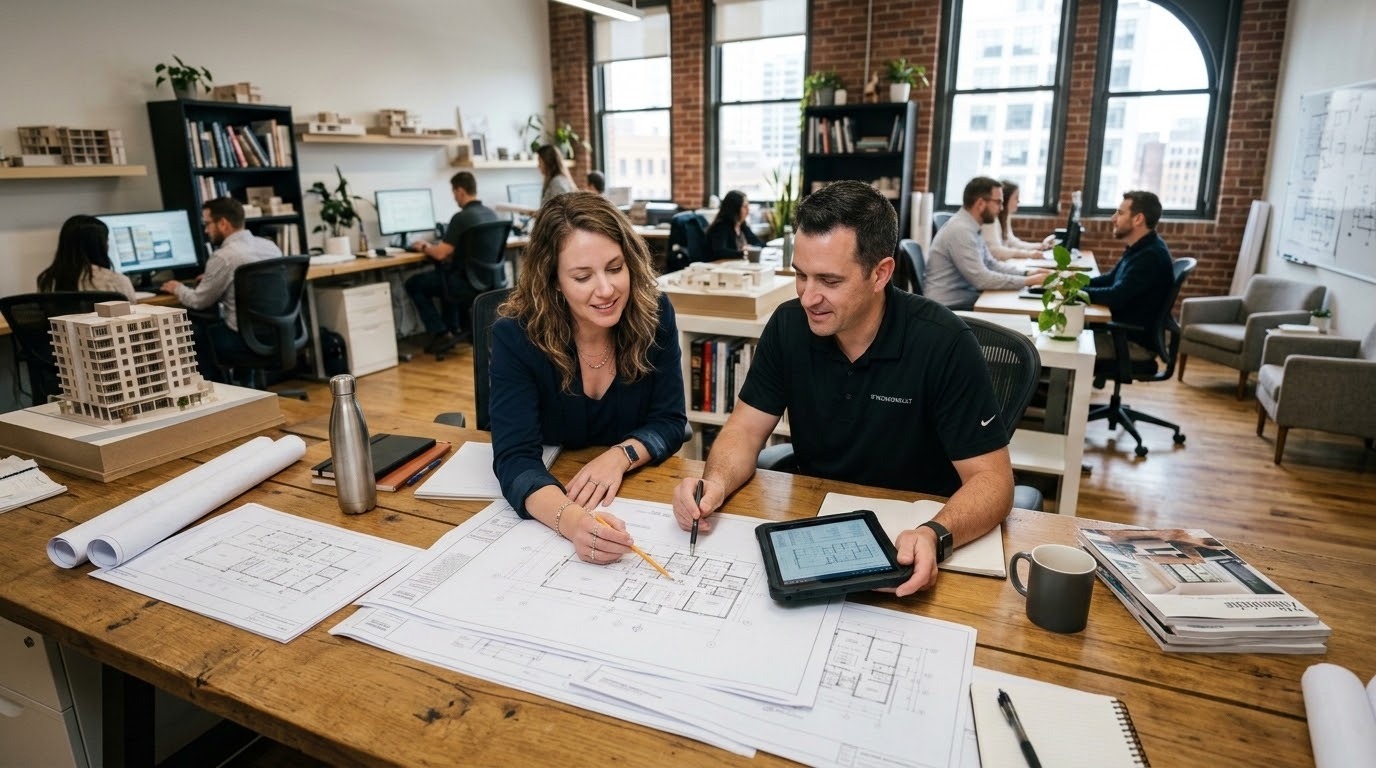
There's a moment on almost every construction project — new custom home, commercial office buildout, or major renovation — where someone finally asks: "So where are all the technology things going?"
By that point, the walls are often already framed. The ceilings are up. The trades have come and gone. And the answer to that question starts to get uncomfortable.
Where the access points go. Where the equipment room lives. Why the conference room can't do what the client assumed it would. Why the speakers ended up visible instead of hidden. Why the lighting control system and the motorized shades aren't talking to each other.
This is one of the most common — and most preventable — problems in construction and design today.
The Real Problem: Technology Gets Treated as an Afterthought
The construction industry has a structural habit: technology gets scheduled last, budgeted last, and discussed last.
That timeline works fine for some finish selections. It doesn't work for technology.
Smart home systems, audiovisual infrastructure, networking, security, lighting control, motorized shading — all of these require decisions that ripple back into architecture, structure, and rough-in work. When those decisions come late, the result is a cascade of problems:
- Change orders no one planned for
- Conduit runs that conflict with structural elements
- Access points, speakers, or cameras that end up exposed because there was nowhere to hide them
- Equipment rooms carved out of space that was intended for something else
- Systems that work independently instead of together
The finished space looks right. But something feels slightly off. The conference room still requires IT support to run a basic meeting. Certain rooms in the house never get used the way they were imagined. The technology is there — it just doesn't quite work the way everyone pictured.
This isn't a technology problem. It's a coordination problem. And it's almost entirely preventable.
What Early Technology Planning Actually Means
Early planning doesn't mean picking out light switches in design development. It means bringing a qualified technology consultant into the project at the same time as the architect, engineer, and interior designer — so that technology decisions are made before they become constraints.
In practice, that looks like:
For the design phase: Coordinating equipment room locations, conduit paths, ceiling conditions for speakers and cameras, and structural blocking for any motorized systems — all while the drawings can still be changed without cost.
For the construction phase: Technology plans in the drawing set, information the trades need available before they need it, and no surprises that ripple through the schedule.
For the owner: A finished space where every system was designed with intention — where the technology serves the way the space is actually used, not the way someone retrofitted it afterward.
For Homeowners: You Shouldn't Have to Think About the Technology

When you're planning a custom home or major renovation, your energy goes into the things that matter: how your family will live in the space, how it should feel, what the kitchen needs to do, how the outdoor areas should flow.
You shouldn't have to know how many access points your floor plan requires. Or why the great room needs a different kind of speaker than the patio. Or how the lighting scenes connect to the motorized shades.
What you should be able to expect is a home where:
- Movie night works without anyone troubleshooting
- Lighting shifts naturally through the day without anyone touching a switch
- The outdoor spaces actually get used because they're set up to work
- Every room functions the way you imagined when you were designing it
That experience doesn't happen by accident. It happens when someone is asking the right questions early enough to build the answers into the project. Once the walls close in, the options narrow — and some of them disappear entirely.
For Architects and Interior Designers: Your Design Intent Deserves to Be Fully Realized
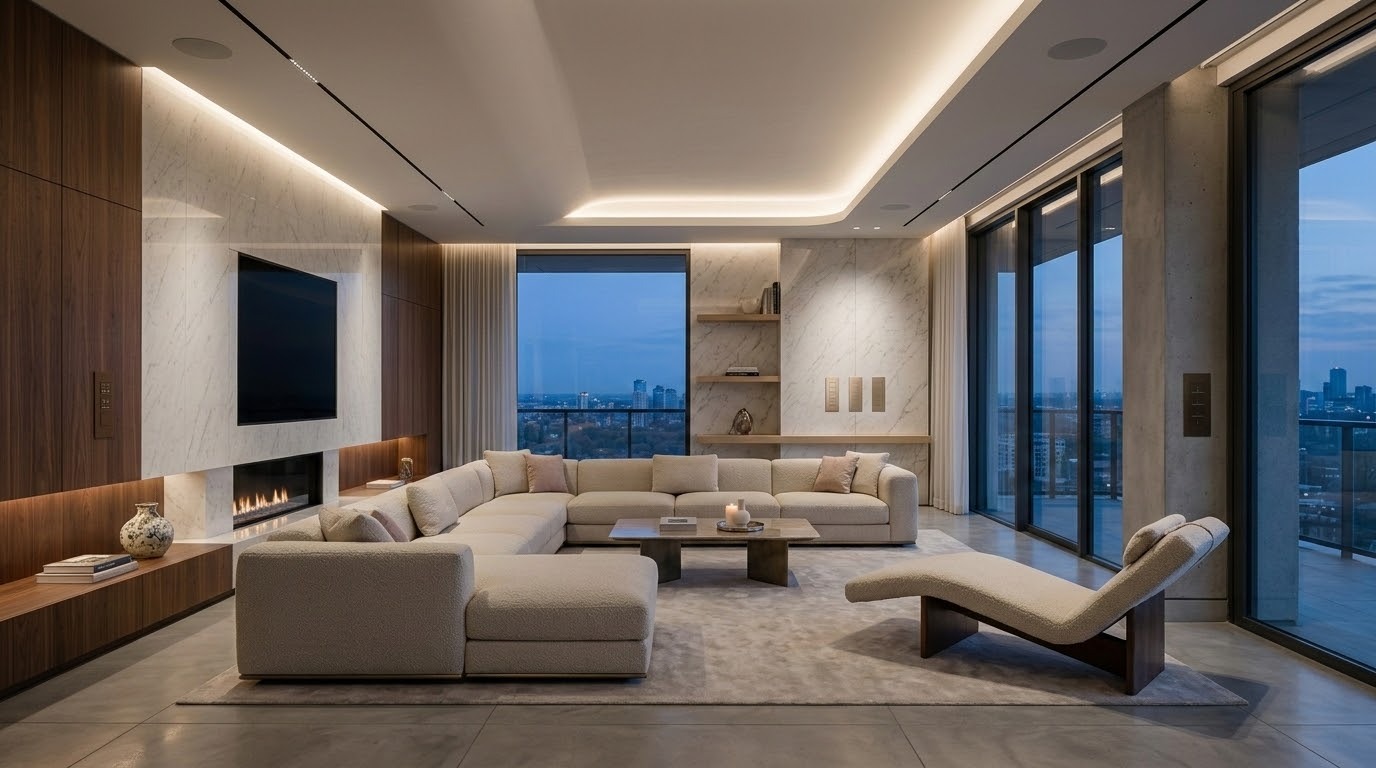
You know the scenario. A technology vendor shows up late and starts asking for things that should have been resolved in design development.
A soffit that wasn't in the plans. A conduit run that conflicts with something structural. An equipment room that has to come from somewhere. And a conversation with your client where you have to explain why something seamless now requires a compromise.
When technology is integrated into the design process from the beginning, none of that happens. The technology consultant works in the drawings, alongside your consultants, contributing to design coordination rather than disrupting it. Technology needs get resolved before they become conflicts. Every system is designed to serve the spatial and aesthetic vision you've already established.
Your design stays intact. Your client relationship stays intact. The finished project reflects the full intention of everyone who worked on it.
For Builders and General Contractors: Early Planning Keeps Your Schedule Intact
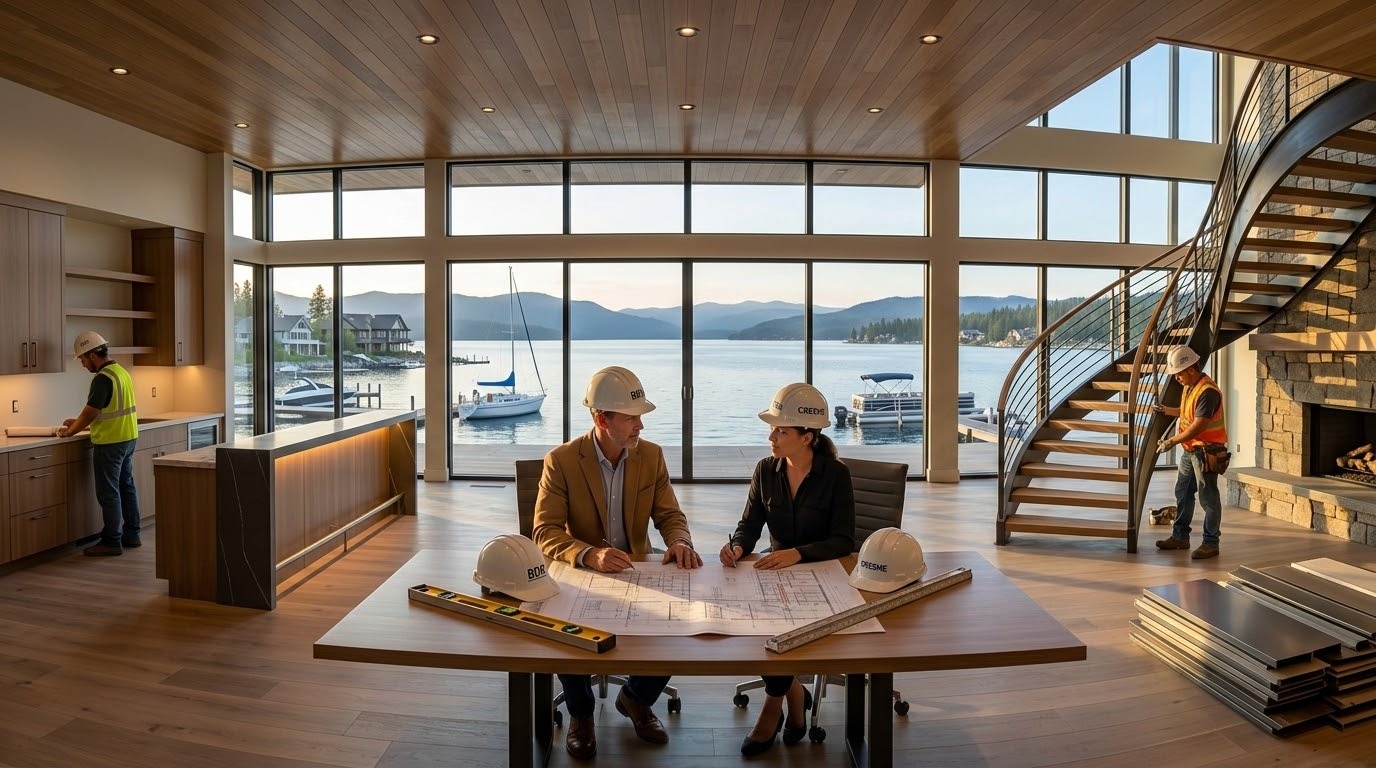
Your reputation is built on delivering what you promised. Late technology decisions are one of the most reliable sources of the chaos that threatens that.
Change orders that ripple through the schedule. Trades that have to come back. Walls that get reopened. Ceilings that get modified. Power that has to be relocated. And a client watching all of it happen and wondering why it wasn't figured out sooner.
When technology is planned early and documented properly, your job gets easier. The information you need is in the drawings before you need it. The trades are sequenced correctly. The surprises are eliminated before they become your problem to manage on-site.
A good technology partner for a general contractor stays ahead of the schedule — never behind it.
For Commercial Business Owners and Developers: Your Space Has to Perform
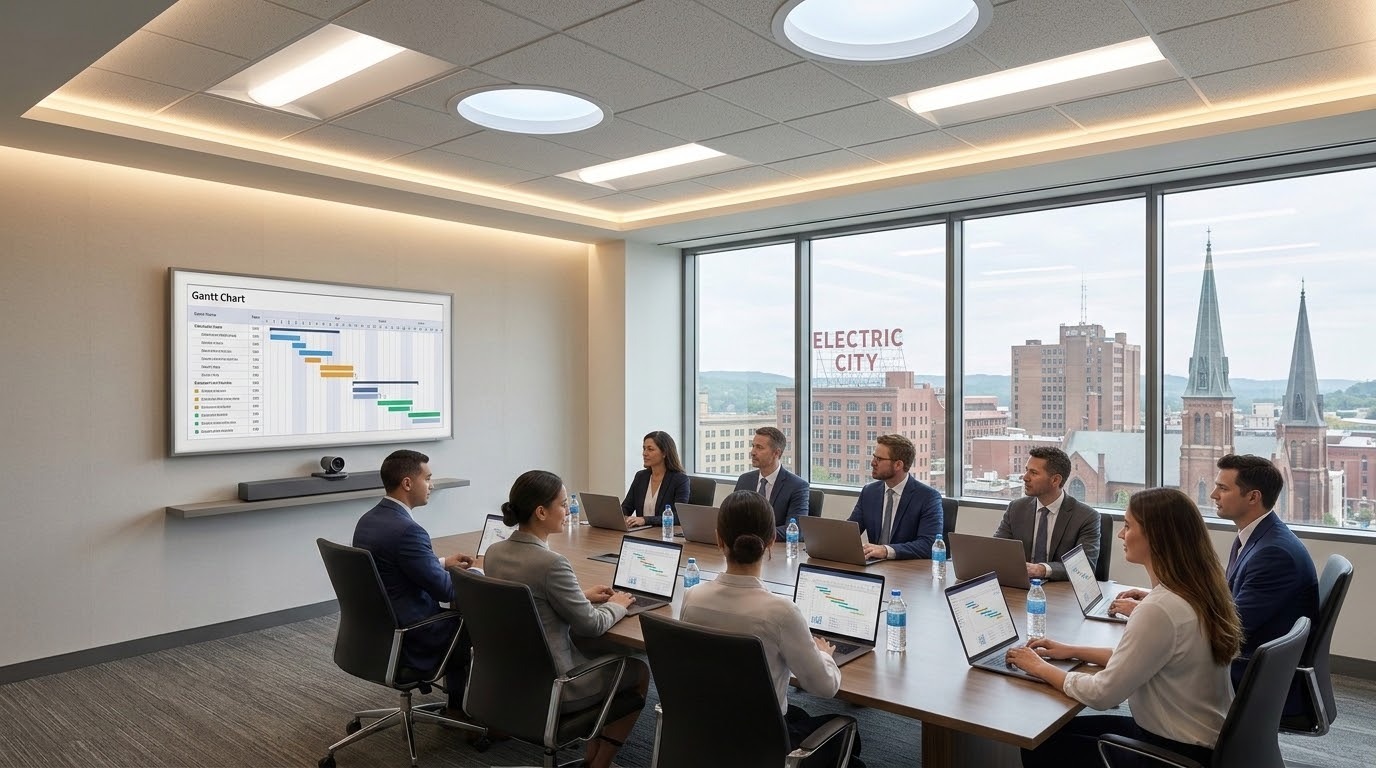
Commercial spaces carry a different kind of pressure. They have to work for many different people, all day, every day. The margin for "good enough" is thin.
A conference room that requires a workaround every time someone tries to use it. A lobby that doesn't make the impression the brand deserves. A healthcare facility, fitness center, or retail environment where the technology creates friction instead of removing it.
When technology is designed into a commercial space from the start — coordinated with the architect, engineer, and contractor — the result is an environment that supports the people using it and keeps working long after move-in day. Not one that requires constant IT intervention.
What It Costs to Wait
The direct costs of late technology planning are real: additional drywall work, relocated power, ceiling modifications, extra labor, change orders that weren't in anyone's budget.
But the harder cost is the one that doesn't show up on an invoice.
It's the finished conference room that still frustrates people after the renovation. The home where certain rooms never feel quite right. The system that almost works — and probably always will.
The most common thing clients say after a project is complete is some version of: "I wish we had called you sooner."
Frequently Asked Questions
When should I bring a technology consultant into my project? As early as possible — ideally during the design phase, before drawings are finalized. The earlier technology is part of the conversation, the more options you have and the less it costs to build in.
Does early technology planning increase my budget? No. Early planning doesn't cost more than late planning — it just allocates the cost earlier, when changes are cheap, instead of later, when changes require change orders, reopened walls, and relocated power.
What if construction has already started — is it too late to call? It's rarely too late, but the options narrow the further along the project is. Calling now still puts you ahead of where you'd be if you waited until move-in.
Do I need to know what technology I want before reaching out? No. Part of the process is asking the right questions to figure out what you actually need — you don't need a wish list, just a conversation about how you want the space to work.
Do you work directly with architects and contractors, or only with homeowners? Both. We work alongside architects, interior designers, builders, and GCs as part of the existing project team — contributing to design and construction coordination rather than operating separately from it.
What types of projects do you work on? Custom homes, renovations, commercial offices, healthcare facilities, retail environments, and institutional projects — anywhere technology needs to be coordinated with architecture and construction from the start.
The Right Time to Have This Conversation Is Now
Whether you're a homeowner in the early stages of a custom build, a business owner planning a commercial renovation, an architect in design development, a designer making finish selections, or a builder scheduling your trades — the right time to bring technology into the conversation is before the decisions that constrain everything else get made without it.
Early technology planning doesn't cost more. It protects the investment everyone on the project is making.
Ready to talk? Contact Automated Lifestyles to schedule a consultation before your options narrow.
📞 800-570-7789
📧 info@automated-lifestyles.com
🌐 Visit our website for more technology planning resources: automated-lifestyles.com
Automated Lifestyles works alongside homeowners, architects, interior designers, builders, and commercial developers to integrate technology from the earliest stages of design — so the finished space works exactly the way everyone imagined.
%20Medium.avif)